MARTIN STRINGS | A guitar’s voice starts with wood and craftsmanship, but it comes alive through the strings. For nearly two centuries, Martin has been uncompromising about tone—a standard that guides every instrument we build and every set of strings we make. We make our own strings because they’re too important to leave to anyone else. Designed with the same care as our guitars, Martin Strings help bring out the feel, response, and character players need at every stage of their musical journey—so they can keep playing with confidence.
Featured Article
Ultimate Guide to Acoustic Guitar Strings
Your acoustic guitar deserves great strings to bring out its full potential. Every player has that moment when their guitar needs new strings, whether they’re a touring musician or a guitar hobbyist. Here at Martin, we believe buying guitar strings is a part of enjoying your guitar, but you need to know what strings to buy and how to pick out guitar strings that suit your needs.
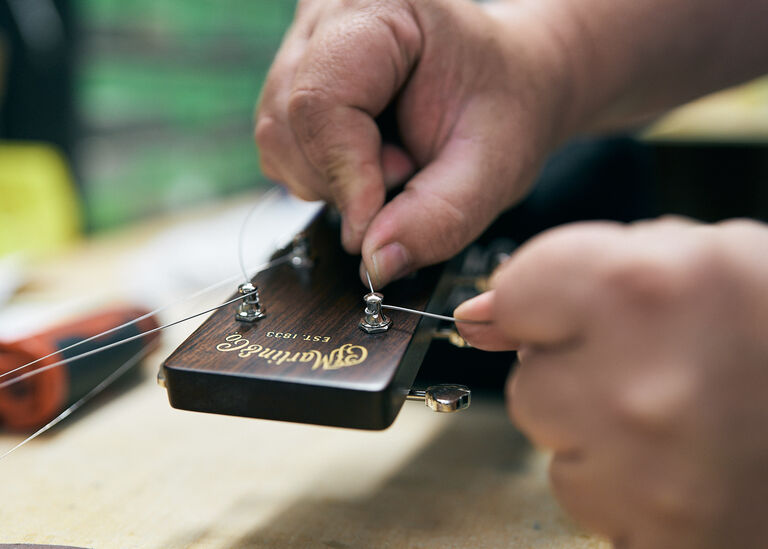
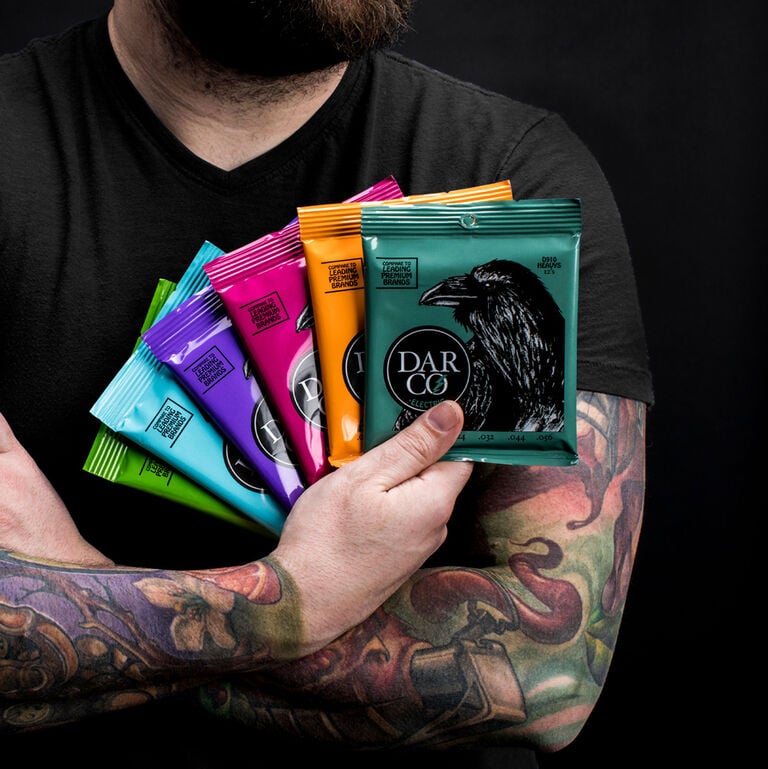
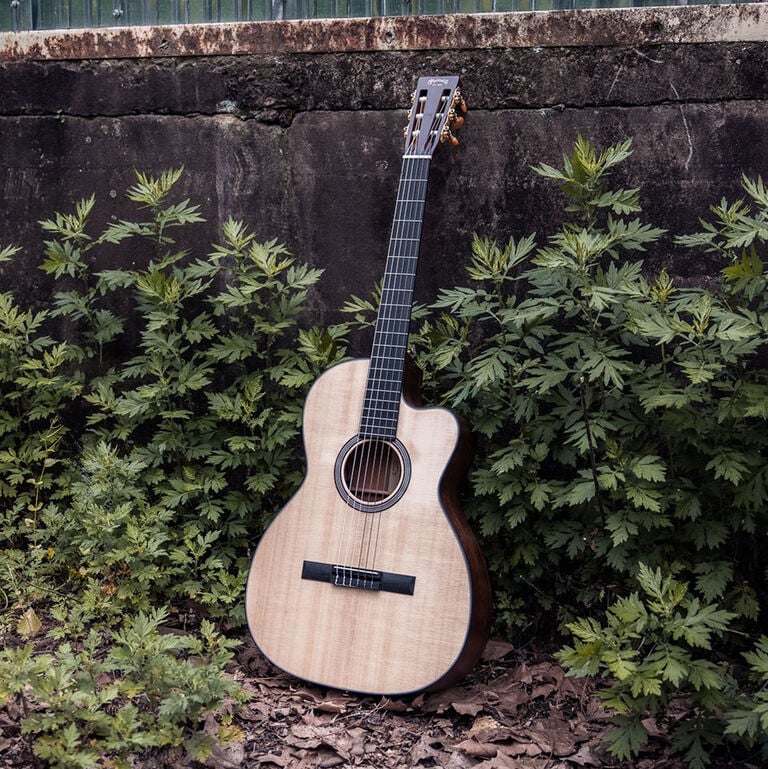
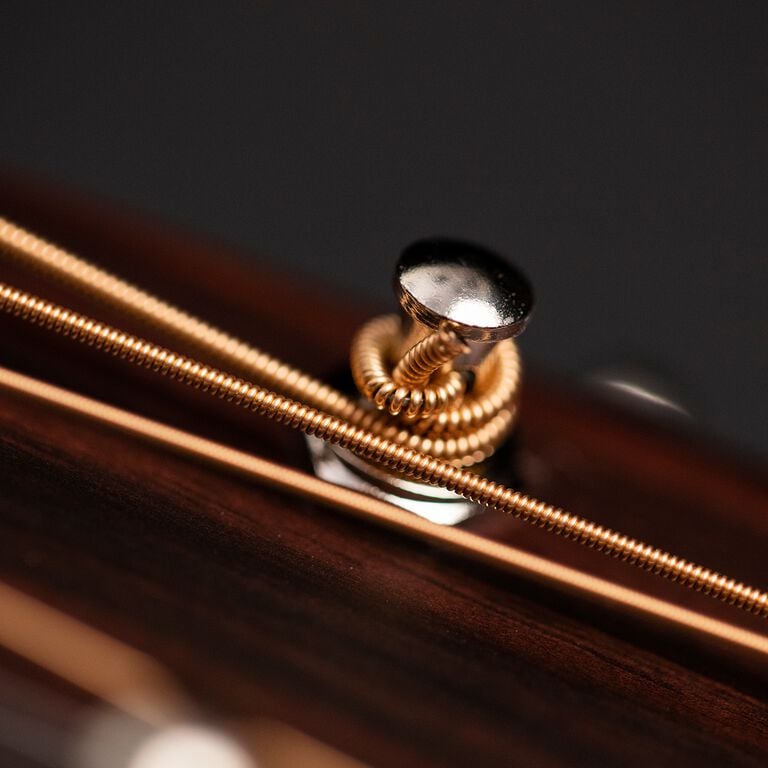
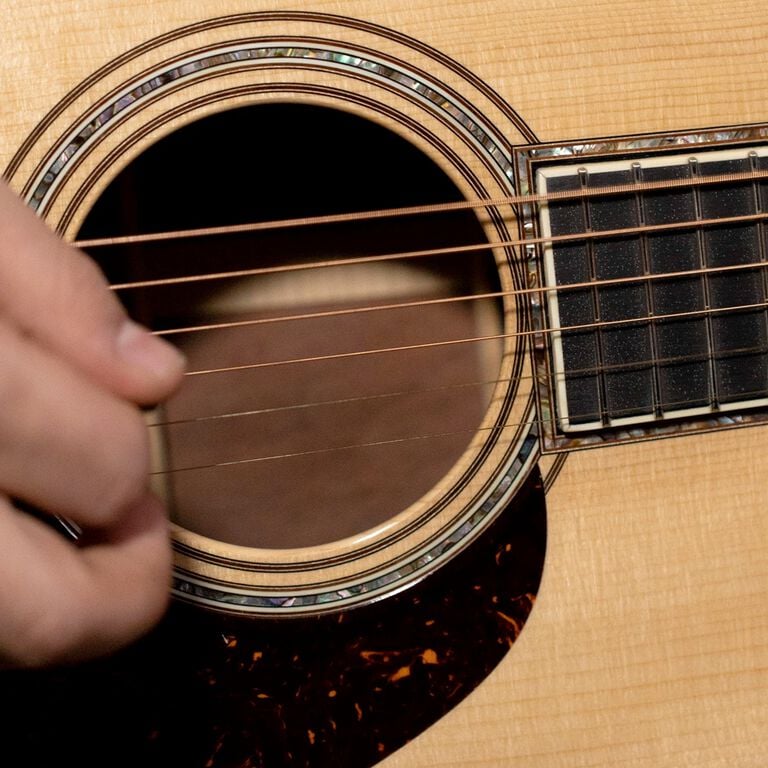
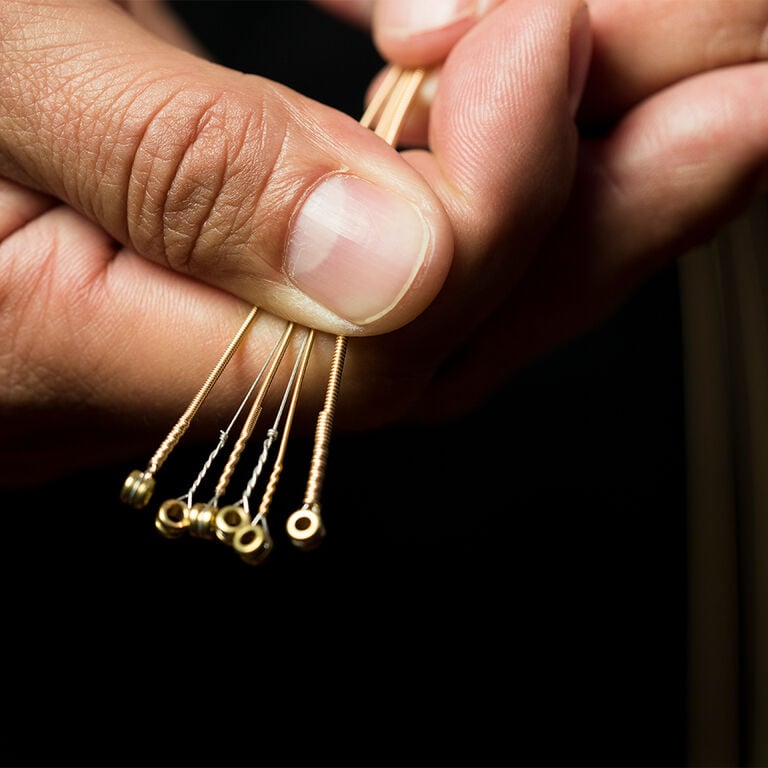
Martin Strings: Why We Make Our Own
Go inside Martin’s state-of-the-art facility in Navojoa, Mexico, to see the care, precision, and people behind every set of Martin Strings. From material inspection and winding to packaging and quality checks, every step is guided by the same purpose: to create strings worthy of the Martin name. Whether for guitar, mandolin, banjo, or ukulele, Martin Strings are made to deliver trusted tone for lifelong players.


c. 1900–1910 | MARTIN EXPERIMENTS WITH STEEL
Before steel strings appeared in Martin catalogs, a small number of 0 and 00 guitars were built for them by special order. These early experiments pointed toward a louder, more powerful acoustic voice that would reshape the Martin line.


LATE 1910s–1922 | STEEL ENTERS REGULAR PRODUCTION
The popularity of all-koa Hawaiian guitars helped accelerate Martin’s move toward steel. In 1922, the all-mahogany 2-17 became the first Martin model offered exclusively with steel strings.


1923–1929 | STEEL BECOMES THE STANDARD
Style 18 guitars began shipping standard with steel strings in 1923, and higher styles followed throughout the decade. By the end of the 1920s, steel had replaced gut as the standard choice across the Martin guitar line.


1970 | MARTIN BEGINS MAKING ITS OWN STRINGS
Martin acquired Darco Strings and began manufacturing its own strings, launching more than five decades of string-focused research, engineering, and innovation.


1989 | STRING PRODUCTION BEGINS IN MEXICO
Martin opened its Navojoa, Sonora, facility to produce electronic accessories and a portion of its guitar strings. The plant later became the sole manufacturing home of Martin strings.


1997 | SP® CORE WIRE DEBUTS
Martin introduced SP core wire, made from premium high-tensile steel for greater tuning stability and durability. The innovation became the foundation for generations of Martin string designs.


2005 | MARTIN LAUNCHES ITS FIRST ARTIST SIGNATURE STRINGS
Clapton’s Choice Phosphor Bronze strings debuted as the first sets in Martin’s new Artist Choice line. Created with Eric Clapton, the collaboration began a new chapter of artist-driven string design.


2010–2019 | LIFESPAN® TREATMENT EVOLVES
Martin introduced Authentic Acoustic® Lifespan treated strings in 2010, extending string life through a patented treatment rather than a traditional coating. Lifespan 2.0 followed in 2019 as the next generation of the technology.


2023 | THE WORLD’S FIRST KOVAR™ STRINGS
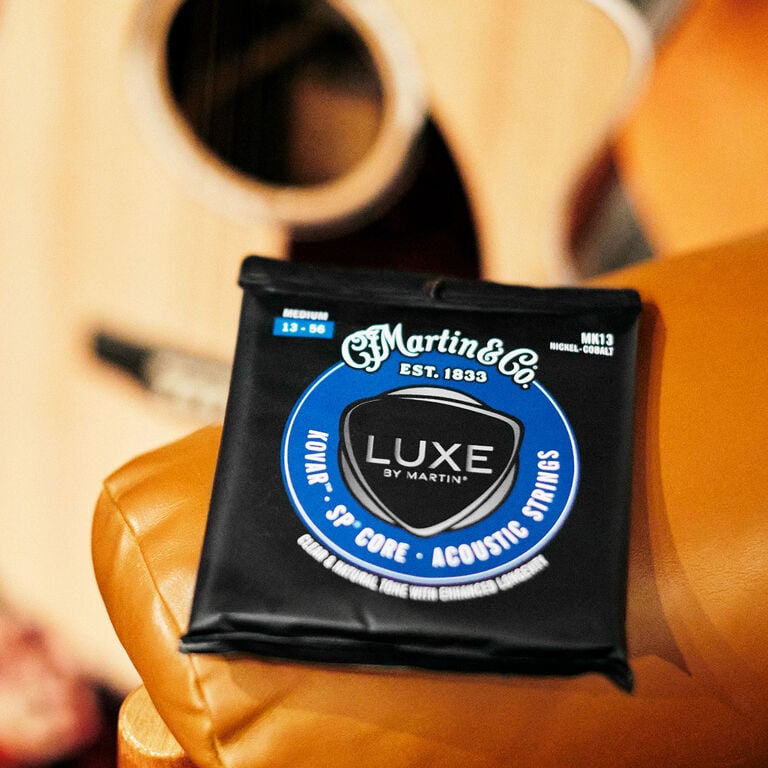
Martin introduced Kovar strings to the Luxe by Martin® line, using a nickel-cobalt alloy as the wrap wire around a high-tensile steel core. The material offered players a fresh tonal option with corrosion resistance built directly into the alloy.


2025 | A NEW ERA OF MARTIN STRINGS
Martin Era™ strings brought together Lifespan treatment, Flexible Core construction, and silk-wrapped ball ends in one premium line. The launch also introduced Jason Isbell’s first signature string set, custom-voiced to his touring and studio preferences.