TONEWOODS | The wood grain, color, finish, and feel of an acoustic guitar all help make it unique, but wood does more than shape the way a guitar looks. From the top to the back and sides to the fretboard and bridge, each material plays a role in the way a guitar sounds, responds, and feels in your hands.

How Does Wood Affect Acoustic Guitar Tone?
Every acoustic guitar is shaped by the materials used to build it. Different acoustic guitar wood types can influence tone, volume, sustain, projection, warmth, brightness, and the way the instrument responds to your playing style.
Back & Sides
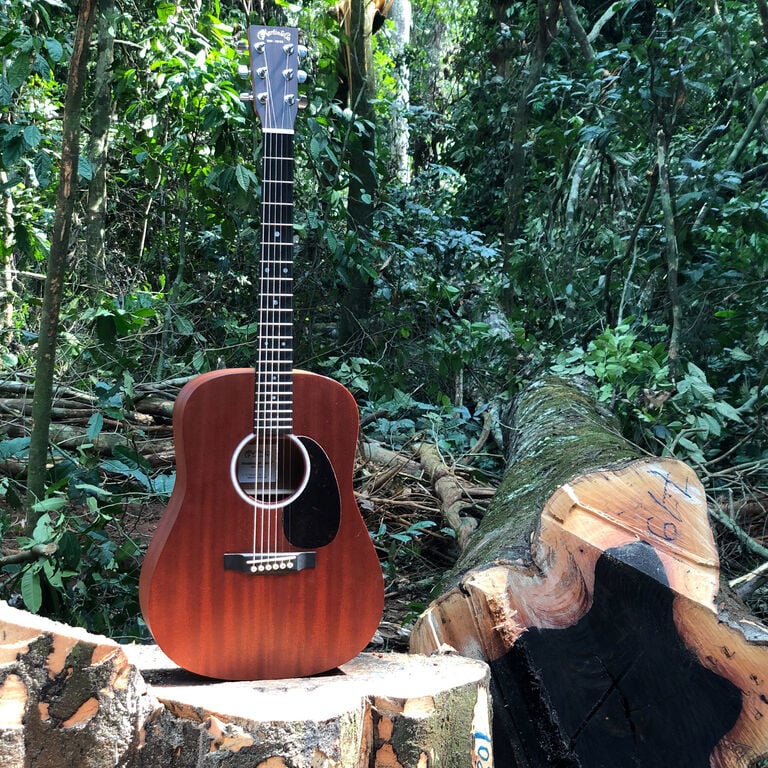
The back and sides help shape a guitar’s resonance, projection, sustain, and overall tonal character. Denser woods often produce a more focused sound with longer sustain, while lighter woods can offer a softer, more open response.
Tops
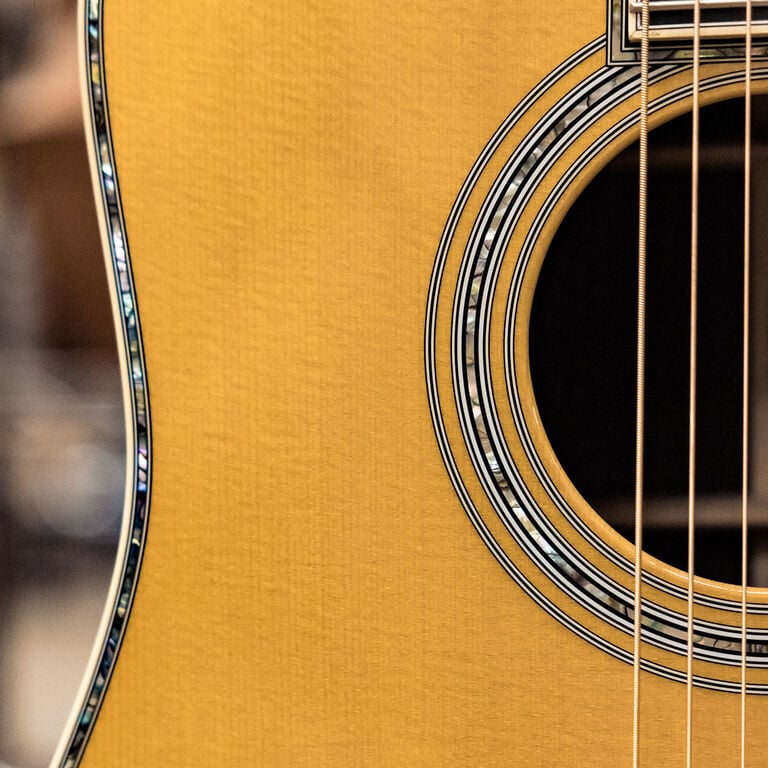
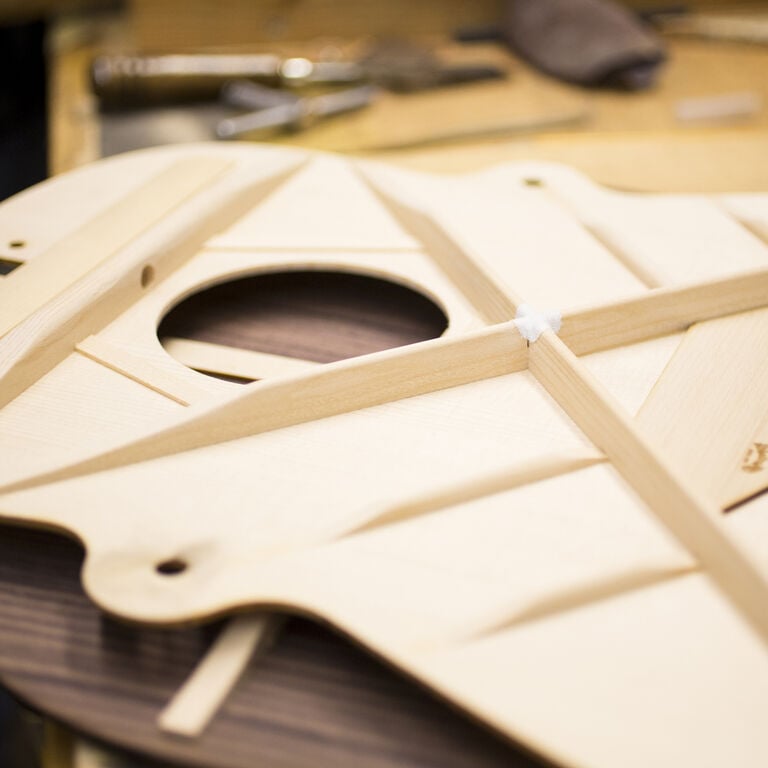
The top, or soundboard, plays one of the biggest roles in an acoustic guitar’s voice. It responds directly to the strings through the bridge, helping shape volume, attack, dynamic range, and tonal balance.
Fretboards & Bridges
Fretboards and bridges have a smaller tonal influence than the body woods, but they still contribute to feel, sustain, and response. The bridge is especially important because it helps transfer string vibration into the guitar’s top.
Back & Sides
The back and sides help shape a guitar’s resonance, projection, sustain, and overall tonal character. Denser woods often produce a more focused sound with longer sustain, while lighter woods can offer a softer, more open response.
Top Tonewoods
The top, or soundboard, plays one of the biggest roles in an acoustic guitar’s voice. It responds directly to the strings through the bridge, helping shape volume, attack, dynamic range, and tonal balance.
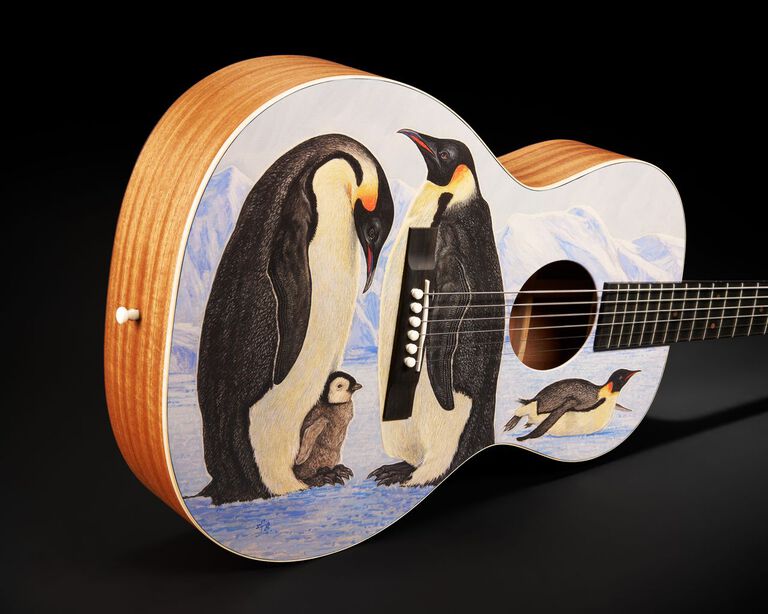
Spruce may be the most common soundboard choice, but it is not the only one. Hardwoods like mahogany, sapele, and koa, along with softer options like western red cedar, can bring their own warmth, compression, overtones, and playing feel to an acoustic guitar.
Material Highlight
Spruce Tops
Spruce is one of the most widely used acoustic guitar top woods, valued for its strength, versatility, and broad dynamic range. Different spruce varieties can offer subtle changes in color, stiffness, projection, and response, giving players a range of options for everything from delicate fingerpicking to powerful strumming.
Fingerboards & Bridges
Fretboards and bridges have a smaller tonal influence than the body woods, but they still contribute to feel, sustain, and response. The bridge is especially important because it helps transfer string vibration into the guitar’s top.
Explore Wood Options Through the Martin Custom Shop
The Martin Custom Shop gives players the opportunity to shape the look, feel, and sound of a guitar through carefully selected materials. Start with a familiar Martin model or body size, then explore tonewood options for the top, back and sides, fingerboard, bridge, and more. Depending on the build, players can choose traditional materials like spruce, mahogany, and East Indian rosewood, or explore premium options such as koa, flamed maple, cocobolo, select rosewoods, and other exotic woods. Availability may vary, so an authorized Martin dealer can help guide the process.